Unglaublich wie die Zeit vergeht, kaum hab ich das Basisseminar abgeschlossen fang ich quasi das nächste an. Also die Fortsetzung bzw. Vertiefung des Themengebietes wird nun zum ersten Mal abgehalten unter den Namen „Ausgewählte Kapitel aus Technology Enhanced Learning„.
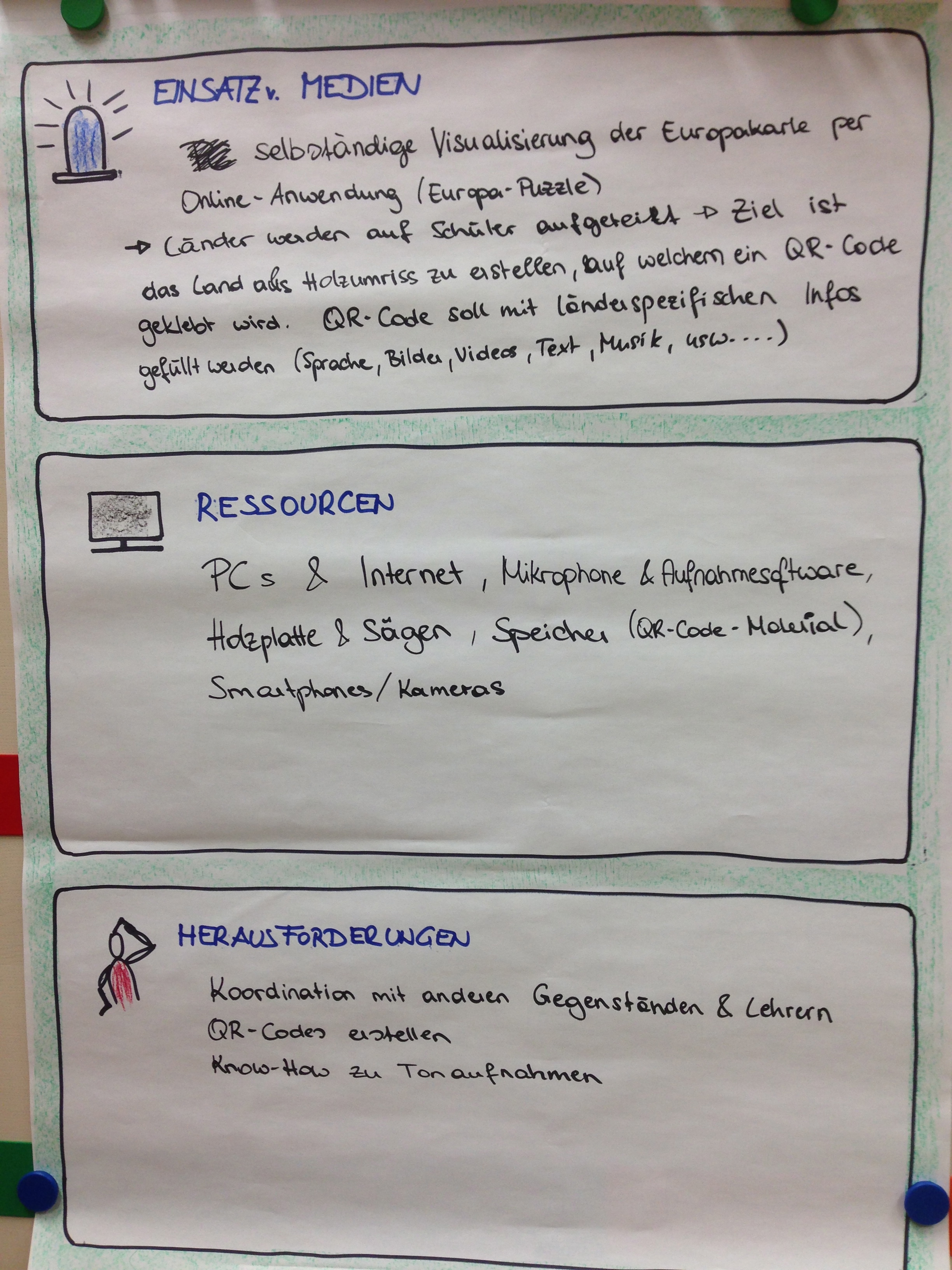
In der erste Einheit haben wir uns mit innovativem Unterricht beschäftigt und mit welchen Herausforderungen zu rechnen sein wird. Danach haben wir abgeleitet welche L3T-Kapitel Inhalt des Seminars sein sollten.
Klicken Sie auf den unteren Button, um den Inhalt von www.slideshare.net zu laden.
Wir freuen uns sehr, bekanntgegeben zu dürfen, das eine kurze Fassung unseres Monster-Videos zu den 20 Handyclips gehört, die beim bundesweitem Wettbewerb in Deutschland „Ohrenblick mal“ nominiert wurden (bei 71 Einreichungen). Ich wünsche allen Kindern auf die Fahrt nach München viel Spaß und auch beim anschließenden Event in der Villa Stuck!
Hier das Video in der kurzen Fassung – Daumen drücken für den 29. November 2013!
Mit dem Laden des Videos akzeptieren Sie die Datenschutzerklärung von YouTube. Mehr erfahren
Die Aufzeichnung meines Vortrags an den heurigen EduDays in Krems zum Thema freie Bildungsressourcen ist ab sofort verfügbar. Freue mich wie immer über Rückmeldungen und hier hatte ich bereits die Folien veröffentlicht.
Mit dem Laden des Videos akzeptieren Sie die Datenschutzerklärung von YouTube. Mehr erfahren
Im Rahmen der hochschuldidaktischen Ausbildung der Universität Passau habe ich zusammen mit Sandra einen ganztägigen Workshop zum Thema MOOC abgehalten mit dem Titel „Offene Online-Kurse für Massen (MOOC) – was verbirgt sich hinter diesem Trend?„. Die Dokumentation des Workshops mit allen Folien und Arbeitsergebnissen finder man hier:
Klicken Sie auf den unteren Button, um den Inhalt von www.slideshare.net zu laden.
Diese Präsentation die ich in ähnlicher Form schon gehalten habe, darf ich heute bei einer Tagung für DirektorInnen in Südtirol (Brixen) halten. Die Folien wurden ein wenig erweitert und auch aktualisiert:
Klicken Sie auf den unteren Button, um den Inhalt von www.slideshare.net zu laden.
Einladung für Mitarbeiter/innen der Uni Passau (26.10.13): Offene Online-Kurse für Massen (MOOC) – was verbirgt sich hinter diesem Trend?
Zusammen mit Sandra Schön werde ich am Samstag, den 26. Oktober im Rahmen des hochschuldidaktischens Angebots der Universität Passau eine Veranstaltung rund um MOOCs durchführen. Den aller (!) ersten Sketch dazu findet ihr unten – mal schauen, wie das Konzept dann am Ende aussieht.
Im Rahmen der DINI Jahrestagung 2013 darf ich heute über „Haben LehrBÜCHER noch Zukunft?“ reden und dabei die allgemeine Problematik der Digitalisierung ansprechen. Ich hoffe es ergeben sich viele Fragen und Anregungen aus dem Vortrag:
Klicken Sie auf den unteren Button, um den Inhalt von www.slideshare.net zu laden.
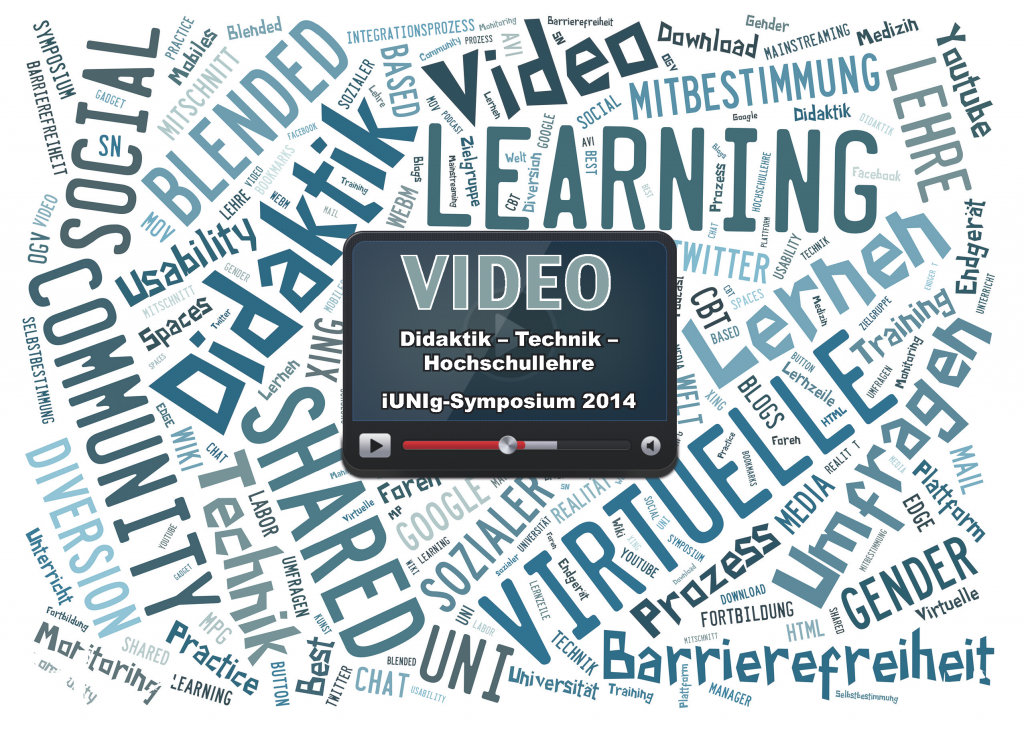
Es freut uns ankündigen zu können, dass die Interuniversitäre Initiative für Neue Medien Graz, kurz iUNIG, nun bereits ihre 6 Veranstaltung am 24. und 25. April 2014 durchführen wird. Diesesmal steht das Symposium ganz im Zeichen von Videos, wie diese zur Lehre ein- und umgesetzt werden.
Es gibt auch einen Call for Papers und damit verbunden einer Publikationsmöglichkeit in der Zeitschrift für Hochschulentwicklung (ZFHE).
Alle Details bzw. auch die Anmeldung zur Tagung findet man hier.