
 Der MOOC „Gesellschaftliche Aspekte der Informationstechnologie“ auf iMooX befindet sich bereits in der achten Woche. Diesesmal sind die Experten Heinz Wittenbrink und Christoph Derndorfer, sowie die Queer STS Mitglieder Susanne Kink, Thomas Berger und Anita Thaler dran.
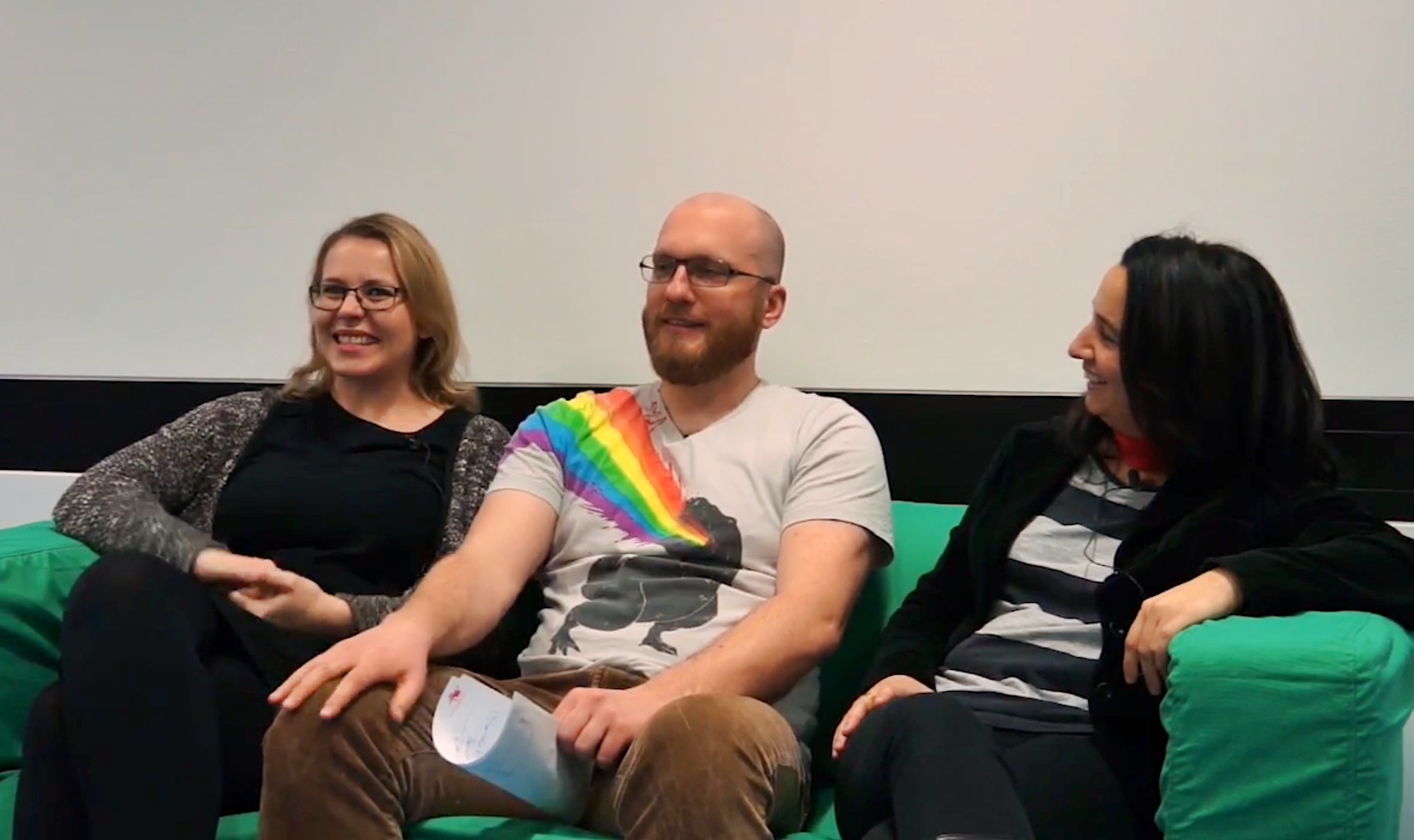 Während sich Prof. Wittenbrink mit dem Informationsfluss im Internet beschäftigt und die dort entstehende Dynamik adressiert, gibt Christoph Derndorfer der analogen Bildung die rote Karte. Danach erfolgt eine spannende Diskussion zu dritt zu IT & Gesellschaft an sich. Wenn dies die Neugier weckt, freut es mich, wenn neue Diskussionbeiträge im Forum erscheinen.
Also unbedingt vorbei schauen und mitdiskutieren – der Einstieg in den MOOC ist jederzeit noch möglich.
[Link zum Kurs]
[vodcast] Was lernen wir von Learning Analytics? #tugraz #reserach
Mein Vortrag über Learning Analytics am Tag der Informatik Fachdidaktik 2017 an der PH Steiermark wurde live übertragen und steht nun auch auf YouTube zum Nachsehen bereit – viel Spaß damit, freue mich wie immer auch über Kommentare und Anregungen:

Mit dem Laden des Videos akzeptieren Sie die Datenschutzerklärung von YouTube.
Mehr erfahren
OER-Canvas #OER #coer17
 Wir haben einen OER-Canvas erstellt und dieser ist nun unter CC-BY von der OERinfo-Stelle veröffentlicht worden. Das Ziel des Canvas wird dabei von Sandra so beschrieben:
Der OER-Canvas bietet Lehrpersonen und anderen, die Bildungsmaterialien erstellen, eine Unterstützung bei der Ideensammlung und ersten Konkretisierung ihres OER-Projekts. Er führt durch die einzelnen Planungsschritte. Gedacht ist er für alle, die bereits Erfahrungen in der Entwicklung von Lernmaterialien haben und über die unterschiedlichen CC-Lizenzen Bescheid wissen.
Klicken Sie auf den unteren Button, um den Inhalt von www.slideshare.net zu laden.
[Hier geht es zum Original-OER-Canvas]
[Downloadlink .pdf (Variante grün)], [Downloadlink .pdf (Variante blau)], [Downloadlink .odg]
WICHTIG: Der OER-Canvas wird auch Teil des „Online-Kurs zu Open Educational Resources“ auf iMooX sein – dem COER17, der am 2.5.2015 starten wird und 4 Wochen dauert. Anmelden kann man sich dazu noch gerne hier.
[presentation] Digitale Bildungstechnologien an Schulen sind keine Turnübung sondern … #Schule4.0 #DigitaleRoadmap
Im Rahmen einer Veranstaltung des Realschullehrerverbandes bin ich gebeten worden meine Gedanken zur Digitalisierung & Schule vorzustellen. Nun ich hoffe es ist gelungen, hier gibt es dazu wie gewohnt den Foliensatz. Ich freue mich auch immer über Rückmeldungen jeglicher Art:
Klicken Sie auf den unteren Button, um den Inhalt von www.slideshare.net zu laden.
[imoox, GADI] Woche 7: Mobile Learning und MOOC #gadi17 #imoox

 Der MOOC „Gesellschaftliche Aspekte der Informationstechnologie“ auf iMooX geht nun in die siebte Woche. Diesesmal sind die Expertin Margarete Grimus und der Experte Michael Kopp an der Reihe. Die Themen? Mobile Learning und MOOC. Ich denke spannend genug um mitzumachen.
Also unbedingt vorbei schauen und mitdiskutieren – der Einstieg in den MOOC ist jederzeit noch möglich.
[Link zum Kurs]
[imoox] Start „Startup-Journey: Geschäftsmodell erstellen“ #imoox
Es freut mich besonders, dass heute ein weiterer MOOC startet und zwar rund um „Startup-Journey: Geschäftsmodell erstellen„. Als unternehmerische Universität hat sich die TU Graz auch besonders diesen Themen verpflichtet. Hedwig Höller wird uns demnach 4 Wochen durch die Lehrinhalte führen mit dem Ziel:
Die TeilnehmerInnnen haben einen Überblick über hilfreiche Methoden für ihr Gründungsvorhaben bekommen und sind in der Lage für ihre eigene Gründungsidee ein Geschäftsmodell zu erstellen. Konkrete Ziele dabei sind:
- Ich habe Kenntnis darüber was ein Geschäftsmodellrahmen bzw. ein Geschäftsmodell ist.
- Ich kann meine Geschäftsidee mit erlernten (Kreativitäts-) Methoden aus der Kundenperspektive beleuchten um sie noch besser auf meine (zukünftigen) KundInnen abzustimmen.
- Ich bin in der Lage für meine Geschäftsidee den gewünschten Kundennutzen mit Hilfe von erlernten Methoden zu identifizieren und den Unique Selling Point (USP) herauszuarbeiten.
- Ich bin in der Lage ein Business Model (Canvas) für meine eigene Idee zu erstellen.
Mit dem Laden des Videos akzeptieren Sie die Datenschutzerklärung von YouTube.
Mehr erfahren
[video] Wie schaut das Lernen von morgen aus? #gadi17 #tugraz
Im Rahmen meines MOOCs zu „Gesellschaftliche Aspekte der Informationstechnologie“ habe ich ein heuer ein Video erstellt mit der Idee zu zeigen, wie sich durch die Digitalität das Lehren und Lernen in Zukunft verändern kann. Wenn wir davon ausgehen, dass sich die technische Entwicklung weiterhin so rasant voran schreitet und Datenbrillen & Co immer mehr auf den Markt drängen, scheint es naheliegend auch über die Veränderungen nachzudenken. Können wir heute schon Medien zur Anreicherung und zur besseren Visualisierung verwenden, werden wir bald selbst die Perspektive bestimmen können (Stichwort 360-Grad-Kamera) um zu guter Letzt auch den Lehr- und Lernort räumlich zu entkoppeln. Meine Prognose ist, dass es in absehbarer Zeit nicht mehr notwendig ist, sich zwingend physikalisch zu treffen um den Diskurs starten zu können. Das geht zwar grundsätzlich schon heute, aber die Einschränkungen sind ja noch deutlich. Hier das Video dazu – ich freue mich wie immer über Kommtare jeglicher Art:
Mit dem Laden des Videos akzeptieren Sie die Datenschutzerklärung von YouTube.
Mehr erfahren
[publication] Learning Analytics in Hochschulen #LearningAnalytics #HigherEducation
Im Handbuch Kompetenzentwicklung im Netz haben wir einen Beitrag zur Learning Analytics mit dem Schwerpunkt Hochschulen geschrieben und vor allem unsere Erfahrungen dargelegt.
Einleitung:
Unter dem Schlagwort “Big Data” hat sich in den letzten Jahren ein neues Forschungsfeld etabliert. Es handelt sich dabei um Datenmengen, die wegen ihrer Größe, hohen Komplexität, schnellen Vergänglichkeit oder schwachen Strukturierung mit klassischen Methoden der Datenverarbeitung nicht ausgewertet werden können. Das Ziel von Learning Analytics besteht darin solche Datenmengen im Kontext von Lehren und Lernen zu sammeln, zu analysieren und zu interpretieren um neue Erkenntnisse zu gewinnen. Ein wesentlicher Punkt dabei ist die Rückführung des gewonnen Wissens an die Lehrenden und Lernenden, um das Lehr- und Lernverhalten individueller und optimierter zu gestalten und die Entwicklung von Kompetenzen in dem Bereich zu fördern.
In diesem Kapitel werden die Möglichkeiten von Learning Analytics genauer erläutert, um dann den Schwerpunkt Learning Analytics in Hochschulen näher zu beleuchten. Eine Auswahl von Tools, Frameworks und Systeme gibt Aufschluss über den momentanen Stand der Technik. Im letzten Kapitel werden zukünftige Trends und Innovationen von Learning Analytics an Hochschulen aufgezeigt und wie daraus Kompetenzen gewonnen werden können.
Referenz: Leitner, P., Ebner, M. (2017) Learning Analytics in Hochschulen. Handbuch Kompetenzentwicklung im Netz. Erpenbeck, J., Sauter, W. (Hrsg.). Schäffer-Poeschel Verlag. Stuttgart. S. 371-384
[imoox, gadi] Zukunft des Schulbuchs, wie wir Lehren und dann gibt es da noch Learning Analytics #imoox #gadi17

 Der MOOC „Gesellschaftliche Aspekte der Informationstechnologie“ auf iMooX geht nun schon in die sechste Woche. Diesesmal sind die ExpertInnen Sandra Schön, Mohammad Khalil und ich selbst dran.
Wir tragen zum MOOC die Themen Schulbücher und das zukünftige Lehr- und Lernverhalten an sich bei  – provokativ und anregend war die Vorgabe 🙂 .
Und dann setzt Mohammad der Diskussion mit dem Thema Learning Analytics bei MOOCs noch das Sahnehäubchen drauf.
Also unbedingt vorbei schauen und mitdiskutieren – der Einstieg in den MOOC ist ebenso jederzeit möglich.
[Link zum Kurs]
[ebmooc, imoox] Der EBmooc ist vorbei – Zeit danke zu sagen #imoox #ebmooc17

Unglaublich, wie schnell 6 Wochen vergehen können, aber leider ist es nun soweit, der EBmooc 2017 ist nun vorbei. Wir sagen nun aber danke, danke an mehr als 2800 registrierte Personen, die bei unserer Idee mitgemacht haben. Wir sagen auch danke an die vielen Lernbegleiterinnen und Lernbegleiter die keine Mühen gescheut haben Begleitgruppen zu organisieren und die Idee des Inverse-Blended-Learning von der Theorie in die Praxis gebracht haben. Wenn auch hier und da Schwierigkeiten aufgetreten sind, haben wir alle Hindernisse gemeistert und das EBmooc-Kernteam sagt danke in gewohnter Form – mit einem Abschlussvideo:
Mit dem Laden des Videos akzeptieren Sie die Datenschutzerklärung von YouTube.
Mehr erfahren
Und zum würdigen Abschluss haben wir noch T-Shirts erstellt, die man zum Selbstkostenpreise im Webshop bestellen kann: