[video] Chrome OS

Nun mit etwas Verzögerung nun auch auf dem e-Learning Blog das Video zu Google’s Betriebssystem Chrome OS:

Was ich davon halte – nun ich bin eigentlich seit Jahren überzeugt, dass wir uns ganz stark auf ein Szenario „das Web als Plattform“ hinbewegen. Google setzt ein weiteres Zeichen und ich gehe davon aus, dass wir in Zukunt nur mehr „internetfähige Clients“ (was ja mein iPhone im weiteresten Sinne auch ist) zu verwenden brauchen. Das oftmals zitierte Cloud Computing ist nichts überraschends sondern lediglich ein konsequenter Schritt der Entwicklung des WorldWideWeb.

Google Wave replaces Twitter at conferences?

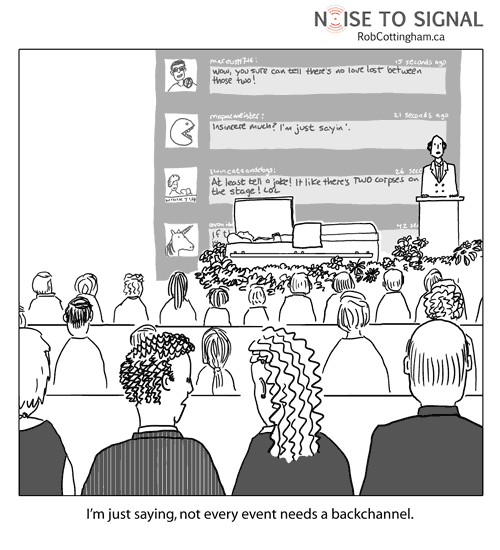
Nachdem wir nun seit längerer Zeit Twitter bei Konferenzen auf Twitterwalls einsetzen und durchaus gute Ergebnisse erzielen, steht man eigentlich mit dem Aufkommen von Google Wave vor der Frage ob diese Applikation vielleicht besser geeignet wäre.
Der Kollaborationsaspekt für das Auditorium mit der Möglichkeit dies danach zur Verfügung zu haben könnte durchaus für Google Wave sprechen. Hier gibt es bereits einen ersten Bericht und ich denke es wird nicht der letzte bleiben.

[publication] Can Weblogs and Microblogs Change Traditional Scientific Writing?

Our article on „Can Weblogs and Microblogs Change Traditional Scientific Writing?“ was published in the Open Access Online Journal Future Internet.
Abstract:

This paper describes a follow-up Web 2.0 approach to a technology enhanced master course for students of Graz University of Technology. The lecture “Social Aspects of Information Technology” has a long tradition for using new didactical scenarios as well as modern e-Learning technologies. After using a blogosphere one year ago, this year microblog channels helped to expand the traditional lecture. Students choose (on a voluntary basis) whether they want to participate in a blogging/microblogging group instead of using conventional methods called Scientific Writer/Scientific Reviewer. This study addresses the question whether this method can change the learning outcome into a more reflective one. Furthermore, peer-reviewing groups judge the quality of essays and blog contributions. In this paper we examine if microblogging can be an appropriate technology for assisting the process. This publication comes to the conclusion that an amazing potential and a new way to work with information is opened when using microblogging. Students seem to be more engaged, reflective and critical in as much as they presented much more personal statements and opinions than years before.

Reference: Ebner, Martin; Maurer, Hermann. 2009. „Can Weblogs and Microblogs Change Traditional Scientific Writing?.“ Future Internet 1, no. 1: 47-58.

The History of the Internet

e-MailEs ist doch immer wieder interessant darüber nachzulesen, wie das Netz der Netzt entstanden ist. Hier gibt es einen schönen Überblick über die Entstehungsgeschichte und manche Bilder lassen einen wirklich schmunzeln. Treten e-Mails und e-Moticons relativ früh auf, sind das WorldWideWeb und Google vergleichsweise noch sehr, sehr jung.