Heute findet wieder einmal ein LLT-Frühstück statt – leider immer noch virtuell, d. h. wir müssen weiterhin auf gemeinsamen Kaffee und Croissants verzichten. Aber wir hoffen, dass wir das mit tollen Inhalten, wie dem e-Campus, kompensieren können.


Digitale Lehre an und rund um der Technischen Universität Graz
Heute findet wieder einmal ein LLT-Frühstück statt – leider immer noch virtuell, d. h. wir müssen weiterhin auf gemeinsamen Kaffee und Croissants verzichten. Aber wir hoffen, dass wir das mit tollen Inhalten, wie dem e-Campus, kompensieren können.
 Issue 16(12) of our journal on emerging technologies for learning got published. Enjoy the readings as usual for free :-).
Table of Contents:
Nevertheless, if you are interested to become a reviewer for the journal, please just contact me :-).
Nach über einem Jahr Hochschule & CoVID19-Pandemie hat man mich nochmals zu einem Interview gebeten, wie ich die Situation nun beurteile. Hatte ich vor gut einem Jahr noch davon geredet, dass wir froh sind diese heftige und vor allem plötzliche Umstellung gemeistert zu haben, bewegen wir uns ein Jahr später auf einem anderen Level.

Wie auch immer wollte ich aber deutlich machen, dass wir trotz großer Anstrengung nachwievor vor großen Herausforderungen stehen – digitale Technologien haben uns die Bewältigung der Pandemie halbwegs ermöglicht, aber natürlich müssen wir Abstriche hinnehmen oder mit neuen Herausforderungen kämpfen.
[Von der Pflicht zur Kür: Der steinige Weg zur digitalen Hochschule]
Wie auch immer, ich freue mich sehr über Kommentare zum Artikel – wir müssen gemeinsam über die Zukunft diskutieren, damit wir das Beste für die Bildung machen können 🙂
Es freut uns, dass nun auch die Pädagogische Hochschule Steiermark nun eine eigene Landingpage bei iMooX.at hat. Nachdem wir schon einige Jahre immer wieder gemeinsam MOOCs durchführen, freut uns das natürlich sehr 🙂
Im neuen OCG-Journal 2021 wurde ich gebeten eine kurze Einführung zu MOOCs mit einem Blick auf die Informatik in Österreich zu geben. Herausgekommen ist dieser Kurzbeitrag. Freu mich wie immer auf Rückmeldungen.
Zitation: Ebner, M. (2021) MOOCs zur Informatik-Bildung. OCG Journal, Jg 46 (1), S. 11
Für den Jahresbericht der TU Graz wurde ich gebeten ein kurzes Statement abzugeben – herausgekommen ist dieses kleine Video. Vielleicht ist das ja mal historisches Material meine Kurzzusammenfassung des März 2020:

Mit dem Laden des Videos akzeptieren Sie die Datenschutzerklärung von YouTube.
Mehr erfahren
Es freut uns sehr, dass nach über 2 Jahren Arbeit der e-Campus nun erfolgreich gestartet ist. Jetzt stellt sich natürlich die Frage, was denn das überhaupt ist? Wir zitieren hier gleich die offizielle Beschreibung:
„Mit dem aktuellen Projekt eCampus wird ein weiterer Meilenstein in der steirischen Hochschullehre gesetzt, der allen Lehrenden der steirischen Hochschulen die Möglichkeit gibt, sich zeit- und ortsunabhängig mit technologiegestützten Methoden und Szenarien für die Lehre auseinanderzusetzen.
Der eCampus bietet als Ergänzung der etablierten Fortbildungsreihen einen flexiblen Kompetenzerwerb für Lehrende, der auf ihrem bisherigen Kenntnisstand aufbaut. Dabei stehen ihnen aktuell 50 Use Cases für die Lehre zur Verfügung.
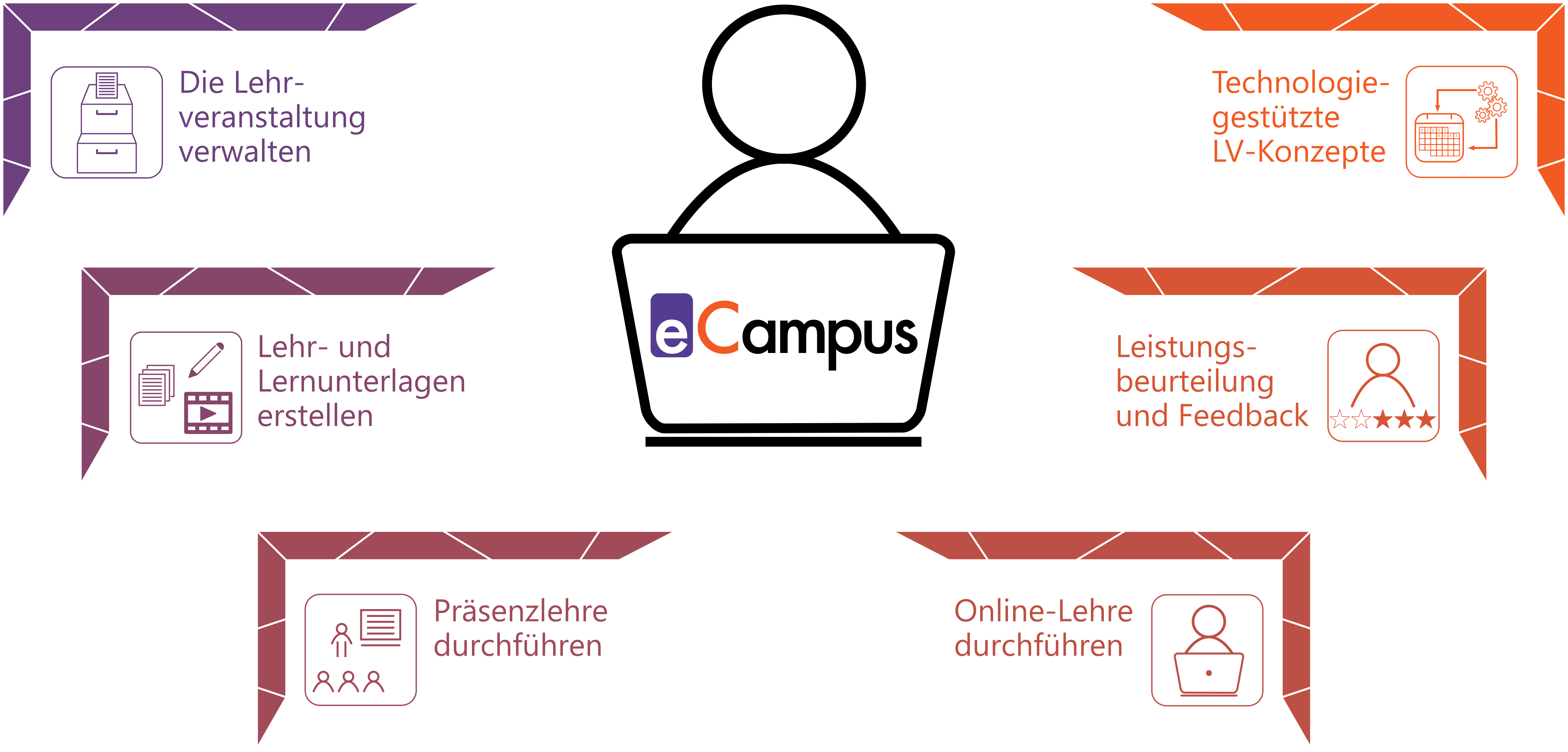
Sechs Kategorien beinhalten die wichtigsten Themen für die Lehre:
Im Rahmen der Use Cases wird der Einsatz einer Methode ebenso ausführlich beschrieben wie der Einfluss auf die Motivation und den zu erwartenden Lernerfolg der Studierenden. Konkret wird dargestellt, mit welchen Tools diese Methoden umgesetzt werden können. Dabei geht es beispielsweise um „Ein Lehrvideo mit interaktiven Elementen anreichern“ oder „Eine Open-Book- Prüfung planen, erstellen und durchführen“ und weitere didaktische Arbeitshilfen.“
Ein Beispiel eines Use Case zu „E-Moderation“ findet man hier. Generell freuen wir uns auch auf weitere Partner die über den steirischen Hochschulraum hinaus. Bei Interesse einfach melden 🙂
We did a small contribution to this year Language Learning conference, which happened as onlince conference, titled: „BY PUPILS FOR STUDENTS: EXPERIENCE WITH THE MOOC „TENSES EXPLAINED““
Abstract:
Usually, it is the university teachers who develop educational resources for their students. The development procedure presented in this article differs significantly from common processes: Students aged about 15 years (9th grade) were actively involved in the production of videos for a language learning MOOC, which is primarily aimed at university students. The article pursues the question of how and with what effects students were involved in the video production for a language MOOC. We systematically describe the background and processes of the development of the MOOC „Tenses Explained“ and the final result. The paper gives insights into the processes and activities of more than 600 participants so far through data from the MOOC platform MooX.at. In addition, the aim is to share the experience in the form of insights in processes as well lessons learned.
[full article @ HAL-archive]
[full article @ ResearchGate]
Reference: Thomas Murr, Sandra Schön, Martin Ebner. BY PUPILS FOR STUDENTS: EXPERIENCE WITH THE MOOC „TENSES EXPLAINED“. MOOCs, Language learning and mobility, design, integration, reuse, Apr 2021, Online Conference, Italy. ⟨hal-03225981⟩
Wir freuen uns, dass unser Beitrag zu Learning Analytics in der Schule nun veröffentlicht wurde:
Zusammenfassung:
Wenn digitale Informationssysteme im schulischen Kontext genutzt werden, entstehen auch Sammlungen von Daten zum Lernverhalten. Einige Anwendungen sammeln und analysieren diese Daten gezielt, um damit Lernende zu unterstützen. Das Forschungsfeld dazu heißt “Learning Analytics” und ist erst rund 10 Jahre alt (Leitner et al., 2019). In diesem Beitrag möchten wir zwei Anwendungen aus dem Schulkontext vorstellen, die Datenanalysen einsetzen um Lernfortschritte von Schüler/innen zu beobachten und Rückmeldung in Echtzeit zu geben (s. Ebner, Leitner, Ebner 2020). Wir nennen zudem Chancen und Herausforderungen von Learning Analytics im Schulkontext.
Referenz: Schön, S., Ebner, M. (2021) Diagnose leicht gemacht. In: on. Lernen in der digitalen Welt. Schiefner-Rohs, M. & Aufenanger, S. (Betr.). Heft 5/2021 (Jg. 2). S. 10-11. ISSN: 2700-1091
Es freut uns sehr, dass wir nun im Sommersemester 2021 nun erstmals eine „wirkliche“ virtuelle Lehrveranstaltung zwischen der TU Graz und der TU Darmstadt umsetzen konnten. Das bedeutet, dass die Lehrveranstaltung an der TU Graz stattfand mit einem Lehrenden von der TU Darmstadt und auch Studierenden von Darmstadt. Die Darmstädter Studierenden wurden dabei an der TU Graz eingeschrieben und bekommen auch von uns die Credits – kurzum ein virtuellles Auslandssemester 🙂
Wir hoffen, dass das Beispiel nun Schule macht und wir den Bologna-Prozess so weiter unterstützen können.
