

 Der MOOC „Gesellschaftliche Aspekte der Informationstechnologie“ auf iMooX befindet sich bereits in der achten Woche. Diesesmal sind die Experten Heinz Wittenbrink und Christoph Derndorfer, sowie die Queer STS Mitglieder Susanne Kink, Thomas Berger und Anita Thaler dran.
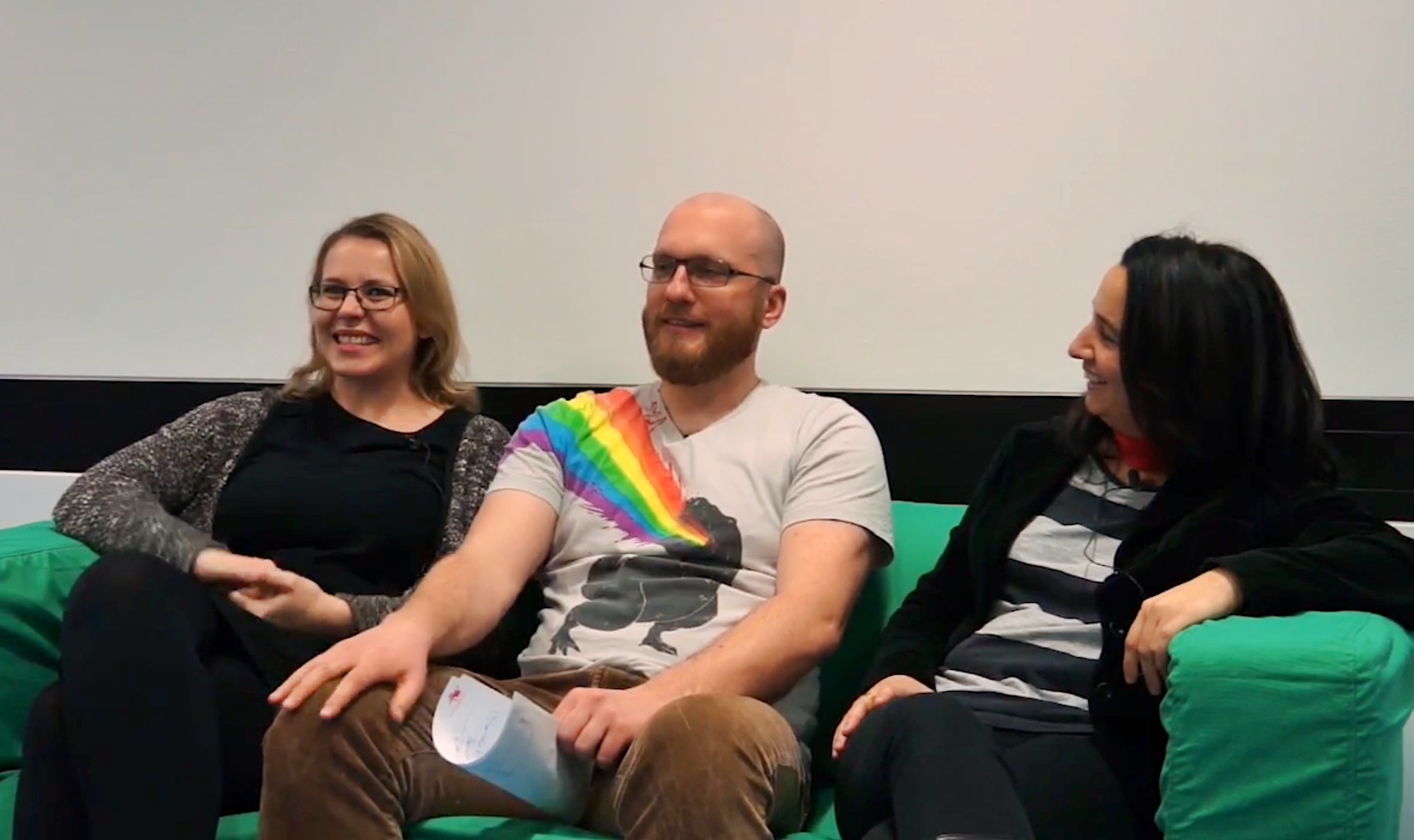 Während sich Prof. Wittenbrink mit dem Informationsfluss im Internet beschäftigt und die dort entstehende Dynamik adressiert, gibt Christoph Derndorfer der analogen Bildung die rote Karte. Danach erfolgt eine spannende Diskussion zu dritt zu IT & Gesellschaft an sich. Wenn dies die Neugier weckt, freut es mich, wenn neue Diskussionbeiträge im Forum erscheinen.
Also unbedingt vorbei schauen und mitdiskutieren – der Einstieg in den MOOC ist jederzeit noch möglich.
[Link zum Kurs]
[imoox, GADI] Woche 7: Mobile Learning und MOOC #gadi17 #imoox

 Der MOOC „Gesellschaftliche Aspekte der Informationstechnologie“ auf iMooX geht nun in die siebte Woche. Diesesmal sind die Expertin Margarete Grimus und der Experte Michael Kopp an der Reihe. Die Themen? Mobile Learning und MOOC. Ich denke spannend genug um mitzumachen.
Also unbedingt vorbei schauen und mitdiskutieren – der Einstieg in den MOOC ist jederzeit noch möglich.
[Link zum Kurs]
[imoox] Start „Startup-Journey: Geschäftsmodell erstellen“ #imoox
Es freut mich besonders, dass heute ein weiterer MOOC startet und zwar rund um „Startup-Journey: Geschäftsmodell erstellen„. Als unternehmerische Universität hat sich die TU Graz auch besonders diesen Themen verpflichtet. Hedwig Höller wird uns demnach 4 Wochen durch die Lehrinhalte führen mit dem Ziel:
Die TeilnehmerInnnen haben einen Überblick über hilfreiche Methoden für ihr Gründungsvorhaben bekommen und sind in der Lage für ihre eigene Gründungsidee ein Geschäftsmodell zu erstellen. Konkrete Ziele dabei sind:
- Ich habe Kenntnis darüber was ein Geschäftsmodellrahmen bzw. ein Geschäftsmodell ist.
- Ich kann meine Geschäftsidee mit erlernten (Kreativitäts-) Methoden aus der Kundenperspektive beleuchten um sie noch besser auf meine (zukünftigen) KundInnen abzustimmen.
- Ich bin in der Lage für meine Geschäftsidee den gewünschten Kundennutzen mit Hilfe von erlernten Methoden zu identifizieren und den Unique Selling Point (USP) herauszuarbeiten.
- Ich bin in der Lage ein Business Model (Canvas) für meine eigene Idee zu erstellen.

Mit dem Laden des Videos akzeptieren Sie die Datenschutzerklärung von YouTube.
Mehr erfahren
[video] Wie schaut das Lernen von morgen aus? #gadi17 #tugraz
Im Rahmen meines MOOCs zu „Gesellschaftliche Aspekte der Informationstechnologie“ habe ich ein heuer ein Video erstellt mit der Idee zu zeigen, wie sich durch die Digitalität das Lehren und Lernen in Zukunft verändern kann. Wenn wir davon ausgehen, dass sich die technische Entwicklung weiterhin so rasant voran schreitet und Datenbrillen & Co immer mehr auf den Markt drängen, scheint es naheliegend auch über die Veränderungen nachzudenken. Können wir heute schon Medien zur Anreicherung und zur besseren Visualisierung verwenden, werden wir bald selbst die Perspektive bestimmen können (Stichwort 360-Grad-Kamera) um zu guter Letzt auch den Lehr- und Lernort räumlich zu entkoppeln. Meine Prognose ist, dass es in absehbarer Zeit nicht mehr notwendig ist, sich zwingend physikalisch zu treffen um den Diskurs starten zu können. Das geht zwar grundsätzlich schon heute, aber die Einschränkungen sind ja noch deutlich. Hier das Video dazu – ich freue mich wie immer über Kommtare jeglicher Art:
Mit dem Laden des Videos akzeptieren Sie die Datenschutzerklärung von YouTube.
Mehr erfahren
[imoox, gadi] Zukunft des Schulbuchs, wie wir Lehren und dann gibt es da noch Learning Analytics #imoox #gadi17

 Der MOOC „Gesellschaftliche Aspekte der Informationstechnologie“ auf iMooX geht nun schon in die sechste Woche. Diesesmal sind die ExpertInnen Sandra Schön, Mohammad Khalil und ich selbst dran.
Wir tragen zum MOOC die Themen Schulbücher und das zukünftige Lehr- und Lernverhalten an sich bei  – provokativ und anregend war die Vorgabe 🙂 .
Und dann setzt Mohammad der Diskussion mit dem Thema Learning Analytics bei MOOCs noch das Sahnehäubchen drauf.
Also unbedingt vorbei schauen und mitdiskutieren – der Einstieg in den MOOC ist ebenso jederzeit möglich.
[Link zum Kurs]
[ebmooc, imoox] Der EBmooc ist vorbei – Zeit danke zu sagen #imoox #ebmooc17

Unglaublich, wie schnell 6 Wochen vergehen können, aber leider ist es nun soweit, der EBmooc 2017 ist nun vorbei. Wir sagen nun aber danke, danke an mehr als 2800 registrierte Personen, die bei unserer Idee mitgemacht haben. Wir sagen auch danke an die vielen Lernbegleiterinnen und Lernbegleiter die keine Mühen gescheut haben Begleitgruppen zu organisieren und die Idee des Inverse-Blended-Learning von der Theorie in die Praxis gebracht haben. Wenn auch hier und da Schwierigkeiten aufgetreten sind, haben wir alle Hindernisse gemeistert und das EBmooc-Kernteam sagt danke in gewohnter Form – mit einem Abschlussvideo:
Mit dem Laden des Videos akzeptieren Sie die Datenschutzerklärung von YouTube.
Mehr erfahren
Und zum würdigen Abschluss haben wir noch T-Shirts erstellt, die man zum Selbstkostenpreise im Webshop bestellen kann:

[ebmooc] Woche 6 bei „Digitale Werkzeuge für ErwachsenenbildnerInnen“ #ebmooc17 #imoox
Unglaublich und schade zugleich, wir starten bereits die letzte Woche des EBmooc und müssen uns damit mehr oder weniger auch schon von den großartigen Personen verabschieden die mitgemacht haben. Zuvor aber noch eine Einheit und zwar zur „Online-Beratung„. Der Inhalt der Woche 6 liest sich also so:
Gegen Ende des EBmooc wird es nun noch mal so richtig spannend, und wir wenden uns besonders an KollegInnen, die auch beratend tätig sind oder eine solche Tätigkeit planen. Es dreht sich hier alles um Onlineberatung, und zwar im Text- und im Videoformat. Wir bringen unterschiedliche Beispiele aus der Bildungsberatung und hoffen darauf, dass Sie dabei auch für die Lernberatung nützliche Lösungen finden.
Hier gleich das Einführungsvideo dazu:
Mit dem Laden des Videos akzeptieren Sie die Datenschutzerklärung von YouTube.
Mehr erfahren
Wenn jetzt jemand noch richtig Lust verspürt doch noch schnell mitzumachen, das ist jederzeit (auch in der letzten Woche) noch möglich, einfach anmelden:
Damit darf ich mich auch in die Osterferien verabschieden und all meinen Leserinnen und Lesern eine schöne Osterzeit 2017 wünschen.
[imoox, gadi] Green IT & Digitalisierung in der Schule #gadi17 #imoox

 Der MOOC „Gesellschaftliche Aspekte der Informationstechnologie“ auf iMooX geht nun schon in die fünfte Woche. Diesesmal sind die Experten Rüdiger Wetzl und Markus Ebner die uns in ihren Fachbereichen Einblicke geben werden.
Die Themen, jene der Green IT und Digitalisierung in der Schule im Lichte von Learning Analytics, gehen uns alle an und wir sind eigentlich unmittelbar oder indirekt davon betroffen.
Also unbedingt vorbei schauen und mitdiskutieren – der Einstieg in den MOOC ist ebenso jederzeit möglich.
[Link zum Kurs auf iMooX]
[imoox] Kletter-Kurs: Vorstiegsklettern #360Grad #MOOC
Der Kletter-mit-360 Grad Videos MOOC geht nun schon in die fünfte und leider auch letzte Woche. Diesmal ist das Thema das „Vorstiegsklettern„:
In der letzten Woche wird noch ein kleiner Ausblick auf die nächste Stufe des Sportkletterns gegeben – Vorstiegsklettern. Dazu werden wichtige Umgangsformen mit Seil und Sicherungsgerät erklärt und demonstriert. Es werden auch bereits erste Übungen zum Vorstiegsklettern durchgeführt um für nachfolgende Kurse bestens vorbereitet zu sein.
Mit dem Laden des Videos akzeptieren Sie die Datenschutzerklärung von YouTube.
Mehr erfahren
Anmelden kann man sich natürlich auch jetzt noch:
[ebmooc] Woche 5 bei „Digitale Werkzeuge für ErwachsenenbildnerInnen“ #ebmooc17 #imoox
Die letzte Woche haben wurden die Themenfelder E-Learning und Blended Learrning im EBmooc behandelt und da haben wir uns primär über Learning-Managment-Systeme ausgetauscht. Nun geht es aber um den eigentlichen Lerninhalt, der stark von der Urhebrrechtslage in Mitteleuropa beeinflusst wird. Darum greifen wir in dieser Woche das Thema OER (freie Bildungsressourcen) auf. Dazu vorab noch schnell den Hinweis, dass es ab Mai wieder einen MOOC zu OER geben wird (quasi als Vertiefung zu dieser Einheit): Jetzt aber zum Inhalt der Woche 5:
In dieser Woche dreht sich alles um offene Bildungsressourcen, und damit um den Zugang zu vielen verfügbaren Materialien. Wie man diese Materialien findet und wie man mit ihnen umgeht, ist Gegenstand dieser Einheit. Es gibt mehr, als Sie vielleicht vermuten! Und natürlich freuen wir uns besonders über alle KollegInnen, die selber OER produzieren möchten (wie wir).
Ich habe dabei die Erklärung der Lizenzierungsmöglichkeiten dabei übernommen:
Mit dem Laden des Videos akzeptieren Sie die Datenschutzerklärung von YouTube.
Mehr erfahren
Wenn jetzt jemand noch richtig Lust verspürt mitzumachen, das ist jederzeit noch möglich, einfach anmelden: