[presentation] Making-Aktivitäten mit Kindern und Jugendlichen #making #tugraz

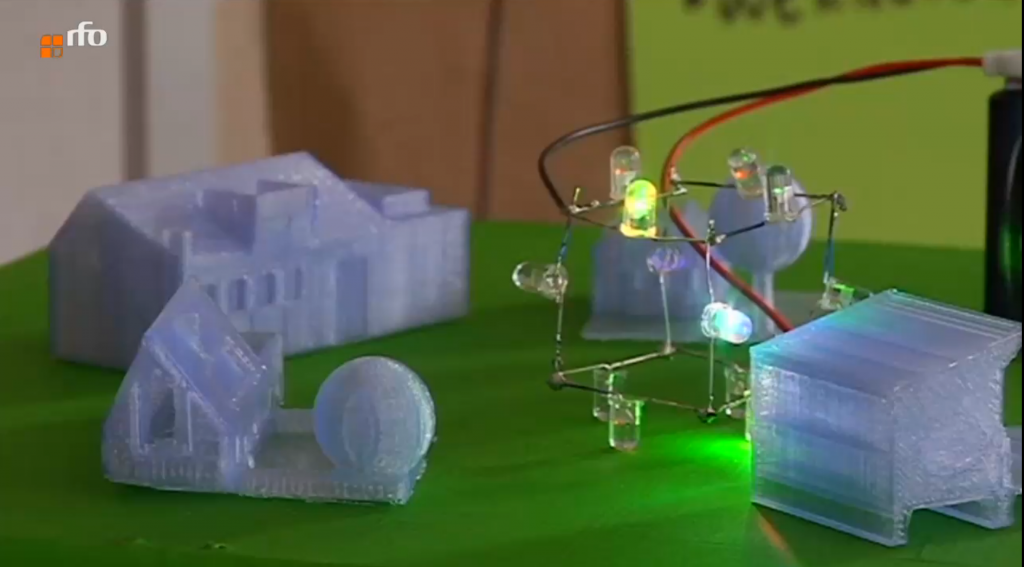
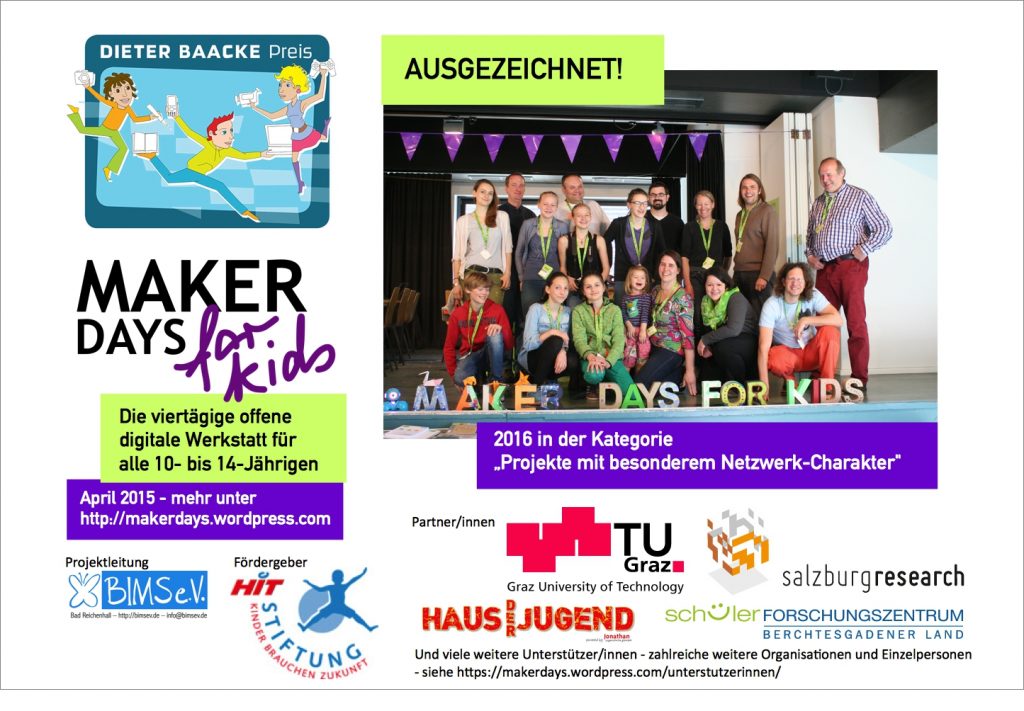
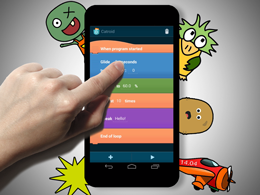
Im Rahmen der eLearning Experts Conference in Eisenstadt habe ich auch noch einen kurzen Workshopbericht über unser Maker Aktivitäten gehalten. Hier noch die Folien nachgeliefert:

Klicken Sie auf den unteren Button, um den Inhalt von www.slideshare.net zu laden.

Inhalt laden

[presentation] Was lernen wir von Learning Analytics #keynote #LearningAnalytics

Im Rahmen der eLearning Experts Conference in Eisenstadt darf ich heute das Thema Learning Analytics umreissen. Einerseits eine Definition bringen, Möglichkeiten und Gefahren aufzeigen und abschließende Beispiele zeigen (IDER Blog, Schule.learninglab.tugraz.at) ist das Ziel des Vortrages:

Klicken Sie auf den unteren Button, um den Inhalt von www.slideshare.net zu laden.

Inhalt laden

[presentation] MOOCs sind keine Lösung, aber vielleicht die richtige Richtung #mooc #imoox

Im Rahmen der Zukunft Personal, darf ich heute einen Vortrag über MOOCs halten. Dabei geht es gar nicht darum einen Hype schön zu reden, sondern eher nüchtern aufzuzeigen welche Mehrwerte MOOCs tatsächlich bieten. Hier die Folien:

Klicken Sie auf den unteren Button, um den Inhalt von www.slideshare.net zu laden.

Inhalt laden

[lecture] Technologiegestütztes Lehren und Lernen #tugraz

Im Rahmen eines Seminars an der FH Wien gibt es einen kurzen Querschnitt über Möglichkeiten des technologiegestützten Lehren und Lernen. Die Veranstaltung findet ganztägig statt in zwei großen Blöcken:

Klicken Sie auf den unteren Button, um den Inhalt von www.slideshare.net zu laden.

Inhalt laden

[CfP] Learning Analytics for Secondary and Higher Education #LearningAnalytics

STELATogether with my colleagues from the STELA project we are organising a parallel session for next year International HCI 2017 conference (9 – 14 July 2017) in Vancouver. Our session is dealing with the topic „Learning Analytics for Secondary and Higher Education“ and we are looking for contributions in this field.
If your are interested in the session we are able to send you a personal invitiation through the submission system. Therefore just send a short email to martin [dot] ebner [at] tugraz [dot] at.


Deadlines for the Call:

  • Deadline for submissions (abstract; 800 words) for review: 25 November 2016
  • Notification of Review Outcome: 23 December 2016
  • Deadline for Camera-ready version (full papers, typically 10 pages, with minimum 8 pages long, maximum 12 pages long): 10 February 2017

Please note that Papers will appear in volumes of the Lecture Notes by Springer.

[publication] Mobile Phones and Learning Perceptions of Austrian Students, aged 11 to 14 Years

Our publication about „Mobile Phones and Learning Perceptions of Austrian Students, aged 11 to 14 Years“ at this year ED-Media conference is now online available. The presentation slides have been published right here.

Abstract:

This article aims to report on the findings of a study of perception for using mobile phones for learning in Austria. Surveys were conducted to examine the ownership and usage of mobile phones of eight to 14 year old pupils. Findings indicate that gathered data show a lack of perceptions for benefits of mobile phones for learning. Issues based on the research in 2013 and 2014 are discussed with regard to demands and challenges for education. Using their own mobile phones for various learning activities could build a bridge between students‘ practice in everyday life and school learning, and developing indispensable 21 st century skills.

[Full publication @ ResearchGate]

Reference: Grimus, M. & Ebner, M. (2016). Mobile Phones and Learning – Perceptions of Austrian Students aged from 11 to 14 Years. In Proceedings of EdMedia: World Conference on Educational Media and Technology 2016 (pp. 106-115). Association for the Advancement of Computing in Education (AACE).

[publication] R.I.P. E-Mail * 1965 – ✝ 2015 #tugraz #edmediaconf

Our publication about „R.I.P. E-Mail * 1965 – ✝ 2015“ at this year ED-Media conference is now online available. The presentation slides have been published right here.

Abstract:

For the ninth time, the Graz University of Technology has carried out a survey amongst its freshmen in order to find out their preferences and habits according to the use of modern IT- and Web- technologies. Besides the remarkable long-term changes in regards to the ownership of technology, the results of this year ́s (2015) survey yielded a sensation. The instant messaging client for smartphones “WhatsApp” has superseded e-mailing from its leading position of being the preferred communication media. E-mailing was displaced on second place for the first time after nine years of survey. A clear trend can be stated in regards to communication media. The influence of WhatsApp on other communication behavior, notably e-mail and SMS, as well as the lasting rise of WhatsApp itself are special focuses of this paper.

[Full publication @ ResearchGate]

Reference: Nagler, W., Ebner, M. & Schön, M. (2016). R.I.P E-Mail * 1965 – ✝ 2015. In Proceedings of EdMedia: World Conference on Educational Media and Technology 2016 (pp. 464-473). Association for the Advancement of Computing in Education (AACE).

[presentation] Maker-MOOC – How to Foster STEM Education with an Open Online Course on Creative Digital Development and Construction with Children #tugraz #imoox #research #maker

Our presentation about „Maker-MOOC – How to Foster STEM Education with an Open Online Course on Creative Digital Development and Construction with Children“ at this year ICL conference in Belfast is online available – enjoy it:

Klicken Sie auf den unteren Button, um den Inhalt von www.slideshare.net zu laden.

Inhalt laden

[presentation] Emerging Technologies – from Past to Future #TEL #SeamlessLearning

Last friday I gave a keynote at „Education in The Digital Age & Multicultural Society” conference about emerging technologies in education. Here are my slides:

Klicken Sie auf den unteren Button, um den Inhalt von www.slideshare.net zu laden.

Inhalt laden

OER bei der GMW und darüberhinaus #gmw16 #conference

Die GMW in Innsbruck war noch nicht vorbei, als ein erster Bericht zur Konferenz von außen geschrieben wurde. Zwar war es nicht im Detail abgesprochen, aber die gemeinsame „Performance“ rund um einen Beitrag von Kollegen zu „Offene Lizenzen als Treiber für neuartige Kooperationen und Innovationen in der Bildung“ und mir wurde im Blog der FU Berlin zur Lehre und Wissenschaft 2.0
lobend erwähnt. So wie meist hatten Sandra und ich unsere Materialien schon im Vorfeld online – und Andreas Wittke hat dann noch mit Hilfe von Periskope live Einblicke in unseren Beitrag gegeben. Von „außen“ konnte man so vermutlich sogar noch mehr und in Ruhe unseren Beitrag studieren 🙂 – Und fein, dass das so gut ankommt!

Bildschirmfoto 2016-09-06 um 22.19.03.png