
 Der MOOC „Gesellschaftliche Aspekte der Informationstechnologie“ auf iMooX geht leider in die letzte und 10te Woche. Zum Abschluss kommen drei sehr erfahrene Expertinnen und Experten zu Wort: Prof. Hermann Maurer, Dr. Schinagl und Fr. Fieke.
 Sie sind seit Anbeginn des Internets dabei und haben die rasante bisherige Entwicklung auch maßgeblich mitgesteuert. Trotzdem rufen sie auf, den kritischen Blick nicht zu verlieren? Warum? Nun dazu muss man beim MOOC vorbeisschauen 🙂 .
Also unbedingt noch mitdiskutieren – der Einstieg in den MOOC ist jederzeit noch möglich.
[Link zum Kurs]
360 Grad Video meines Büros #tugraz
Am Sektor der Videos tut sich sehr viel, so sind 360° Videos der neueste Trend. Wir haben uns nun auch so eine Kamera besorgt mit der Idee einmal zu schauen, welche Möglichkeiten das bietet. Interessant ist auf Fälle, dass man damit Blickwinkel auftun kann, die es so noch nie gegeben hat und es können die Benutzer steuern was sie sehen möchten. Spannend wenn man an Laborsituationen denkt, wo der Blickwinkel entscheidend sein kann.
Jedenfalls hier einmal ein erstes kleines Testvideo. Als Tipp: echt gut funktioniert es, wenn man das Video direkt am Mobiltelefon in der YouTube-App aufmacht. Durch die eingebauten Sensoren, kann man das Telefon einfach bewegen im Raum.

Mit dem Laden des Videos akzeptieren Sie die Datenschutzerklärung von YouTube.
Mehr erfahren
[publikation] Kreative digitale Arbeit mit Kindern in einer viertägigen offenen Werkstatt #makerdays
Das Ergebnis der Makerdays haben wir nun verschriftlicht und im Beitrag „Kreative digitale Arbeit mit Kindern in einer viertägigen offenen Werkstatt“ in der Zeitschrift medienimpulse veröffentlicht.
Zusammenfassung:
Die Veranstaltung „Maker Days for Kids“ war eine kreative digitale Werkstatt, die im April 2015 vier Tage lang für Kinder von 10 bis 14 Jahren geöffnet hatte. Aufbauend auf einer kurzen Einleitung zur Maker-Bewegung werden das Konzept der Veranstaltung, z. B. die Einführungsworkshops, die Rolle der Peer-TutorInnen, Challenges und Selbstlernmaterialien, sowie Erfahrungen damit vorgestellt. Durch eine detaillierte Erfassung der Anwesenheit, Teilnahme an unterschiedlichen Angeboten und der Nutzung der Infrastruktur ist es zudem möglich, Besonderheiten von SchülerInnen unterschiedlicher Schularten und von Buben und Mädchen genauer zu betrachten. Insgesamt haben 69 Kinder an der Vorbereitung bzw. bei der offenen Werkstatt teilgenommen und dabei u. a. Traumhäuser modelliert und am 3D-Drucker ausgedruckt, Games programmiert oder LED-Lampen in Acrylbildern montiert. Mehr zum Projekt: https://makerdays.wordpress.com
[Full article @ medienimpulse]
Referenz: Schön, S., Ebner, M., & Reip, I. (2016). Kreative digitale Arbeit mit Kindern in einer viertägigen offenen Werkstatt. Medienimpulse [Elektronische Ressource], 2016(1).
[imoox] Die 6. und ganz neue Einheit bei „Gratis Online Lernen“ ist online #gol16 #imoox
Bei „Gratis Online Lernen“ beginnt diese Woche die sechste Einheit – und diese wurde gänzlich neu produziert, sozusagen ein Bonus 🙂 . Viel Spaß!

Monat der freien Bildung #MdfB #tugraz
Es ist wieder soweit, ausgehend von der österreichischen Hochschülerschaft in der Steiermark ist wieder der Monat der freien Bildung ausgerufen worden:
Der Monat der freien Bildung soll die Wichtigkeit von freier Bildung und einem offenen Bildungszugang mittels Veranstaltungen im Freien aufzeigen. Vorlesungen, Spezialvorträge, Diskussionsrunden und künstlerische Aktivitäten sollen den alltäglichen Betrieb einer Bildungseinrichtung für alle öffnen und die Teilnahme an eben diesen erleichtern. Dabei soll der Mehrwert für die Gesellschaft aufgezeigt und beworben werden.
Selbstverständlich machen wir da gerne mit und so sind Veranstaltunen von iMooX dort auch zu finden – man kann es nicht oft genug sagen: Bildung für alle, ist eine wesentliche Säule für die Gesellschaft von morgen. In diesem Sinne, mitmachen 🙂
[imoox] Start von Entrepreneurship for Engineers #imoox
Ein weitere MOOC ist gestern an den Start gegangen: „Entrepreneurship for Engineers„. Damit bietet die Technische Universität Graz erstmals auch etwas im Bereich „unternehmerische Universität“ an mit der Idee vielen Studierenden auf ihrem Weg in die Praxis zu helfen:
Durch „Entrepreneurship for Engineers” wird eine Brücke geschlagen zwischen der universitären Ausbildung und den Anforderungen an die angehenden Ingenieurinnen und Ingenieure in der Privatwirtschaft/Industrie.
Dabei wird besonderes Augenmerk auf die praktischen Anforderungen an junge Ingenieurinnen und Ingenieure in der Industrie und auch die Vorbereitung auf den Berufseinstieg gelegt und folglich die komplexen und mehrdimensionalen Aufgaben an junge Führungskräfte aus unterschiedlichen Fachbereichen betrachtet.
Das Teaservideo hatte ich bereits ja geteilt, aber gerne nochmals:
Mit dem Laden des Videos akzeptieren Sie die Datenschutzerklärung von YouTube.
Mehr erfahren
Man kann sich jederzeit zum Kurs anmelden, mitmachen ist ausdrücklich erwünscht 🙂
[Link zum Kurs „Entrepreneurship for Engineers„]
[imoox, gadi] Informationsfluss im Netz, digitale Bildung und überhaupt #imoox #gadi16

 Der MOOC „Gesellschaftliche Aspekte der Informationstechnologie“ auf iMooX befindet sich bereits in der achten Woche. Diesesmal sind die Experten Heinz Wittenbrink und Christoph Derndorfer, sowie die Queer STS Mitglieder Susanne Kink, Thomas Berger und Anita Thaler dran.
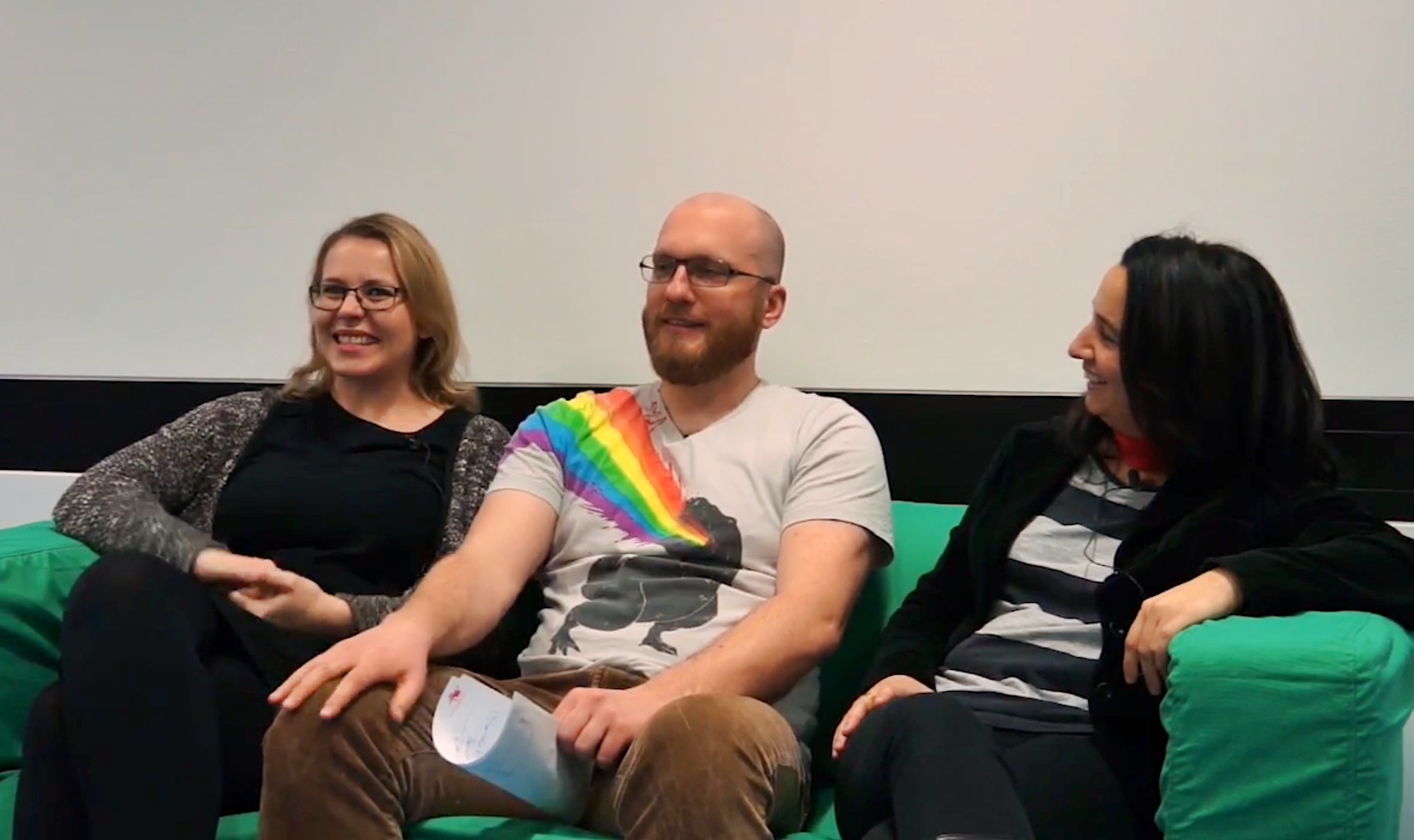 Während sich Prof. Wittenbrink mit dem Informationsfluss im Internet beschäftigt und die dort entstehende Dynamik adressiert, gibt Christoph Derndorfer der analogen Bildung die rote Karte. Danach erfolgt eine spannende Diskussion zu dritt zu IT & Gesellschaft an sich. Wenn dies die Neugier weckt, freut es mich, wenn neue Diskussionbeiträge im Forum erscheinen.
Also unbedingt vorbei schauen und mitdiskutieren – der Einstieg in den MOOC ist jederzeit noch möglich.
[Link zum Kurs]
[presentation] Digital Natives und die Welt von heute #tugraz #research
Im Rahmen des Antikorruptionstages des Bundesministeriums für Inneres bin ich gefragt worden über das Thema Digital Natives zu reden. Hier sind meine Folien dazu:
Klicken Sie auf den unteren Button, um den Inhalt von www.slideshare.net zu laden.
[imoox, GADI] Woche 7: Mobile Learning und MOOC #gadi16 #imoox

 Der MOOC „Gesellschaftliche Aspekte der Informationstechnologie“ auf iMooX geht nun in die siebte Woche. Diesesmal sind die Expertin Margarete Grimus und der Experte Michael Kopp an der Reihe. Die Themen? Mobile Learning und MOOC. Ich denke spannend genug um mitzumachen.
Also unbedingt vorbei schauen und mitdiskutieren – der Einstieg in den MOOC ist jederzeit noch möglich.
[Link zum Kurs]
[presentation] iMooX – die drittgrößte Universität der Steiermark stellt sich vor #imoox #tugraz #lnf16
 Heute ist es soweit – die Lange Nacht der Forschung findet wieder statt und wir als Abteilung Lehr- und Lerntechnologien sind mitten drin. Im Zentrum unserer Station steht die Videoproduktion und iMooX unsere MOOC-Plattform, die wir allen gerne vorstellen werden. Also unbedingt vorbei schauen, ich und mein Team freuen uns ganz bestimmt 🙂
[Mehr Information zu unserem Stationsprogramm]
Die Vortragsfolien für meine Kurzpräsentation um 18.00, 20.00 und 22.00 sind hier schon mal online:
Klicken Sie auf den unteren Button, um den Inhalt von www.slideshare.net zu laden.